
Progressive Web Apps (PWAs) :The Future of Mobile Web

What are progressive web apps?
Progressive web apps, or PWAs, are essentially websites that mimic the appearance and functionality of mobile or desktop applications. When you access a PWA, it feels like using a regular mobile or desktop app, but it runs directly from the web. For example, when you visit a site like papatia.co in your browser, you interact with it like a typical website.
However, if you navigate to the same site, such as papatia.co, it transforms into an application-like experience. This state is referred to as a Web Application. Moreover, these web applications are accessible on both mobile devices and computers.

So, Why Choose PWAs? What Are the Benefits?
Progressive Web Apps (PWAs) have been gaining significant traction among developers and businesses due to a multitude of advantages that traditional web apps or native apps lack. This article will delve into why PWAs are emerging as the future of web development.
1. It Uses Less Space and Minimal Network
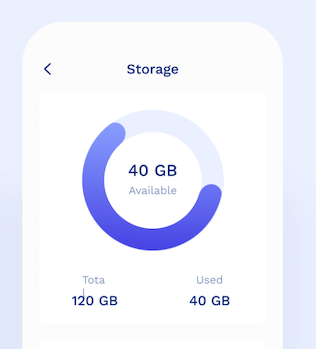
From a user's perspective, one compelling reason to favor PWAs is their minimal space consumption. When you download a traditional app to your phone, it can occupy a substantial amount of storage space, often ranging from 70 to 200 megabytes. In contrast, PWAs are incredibly lightweight, typically consuming only 1-2 megabytes of data.
In a noteworthy example, Starbucks reduced the size of its application by a staggering 99.84% when transitioning to a progressive web app. As a user, this means near-instant installation with a single click and negligible storage space usage.
2. Enhanced Security
PWAs mandate the use of HTTPS, ensuring that all data transmitted between your device and the server is encrypted. Additionally, PWAs inherently bolster security as they operate within the confines of a web browser. Keeping your browser up to date protects you from most vulnerabilities. This is especially important since many users with compromised data fail to update their apps, which often leads to security breaches.

3. Cross-Platform Availability and Superior Performance
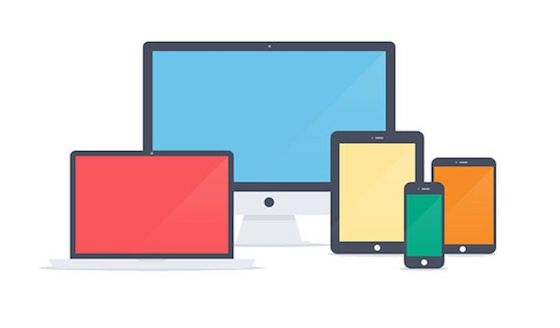
Another significant advantage of PWAs is their versatility across various platforms. With a single click, you can install a PWA on any operating system, ensuring a consistent user experience across devices.
This flexibility also benefits app developers. If you're a developer aiming to create an application for the web, desktop, macOS, Windows, Android, and iOS, PWAs eliminate the need to master multiple development languages or platforms.
4. No Publishing Obligation
PWAs don't need to be published in app stores like traditional mobile apps. However, it's worth noting that you can still publish PWAs on app platforms like the Apple App Store and Google Play Store if desired.
Additional Advantages
- PWAs can be used offline.
- Search engines easily discover PWAs.
- The same PWA can be installed multiple times on a single device.
- PWAs can be used with browser plugins.
From our blog
Join us on a journey of digital discovery.
Web, mobile, cybersecurity, cloud, and beyond

Incident Report: Docker Service Degradation Due to Disk Exhaustion
Detailed incident report describing Docker service degradation caused by disk exhaustion in Docker Desktop’s WSL2 virtual disk (ext4.vhdx), including impact,...

Creating High-Performing Landing Pages:Best Practices for Conversions
Boost your online marketing efforts with expert tips for creating high-performing landing pages. Learn how to increase your conversion rates effectively.

The Power of Video Marketing:Engaging Your Audience
Explore the Impact of Video Marketing on Audience Engagement

AI Chatbots:Enhancing Customer Support and User Experience
In today's business landscape, customer satisfaction and providing swift responses have never been more critical. Explore how AI-powered chatbots, like those...